Predict Calorie Expenditure

数据来源
https://www.kaggle.com/competitions/playground-series-s5e5/data
数据描述
The dataset for this competition (both train and test) was generated from a deep learning model trained on the Calories Burnt Prediction dataset. Feature distributions are close to, but not exactly the same, as the original. Feel free to use the original dataset as part of this competition, both to explore differences as well as to see whether incorporating the original in training improves model performance.
Files
train.csv - the training dataset; Calories is the continuous target
test.csv - the test dataset; your objective is to predict the Calories for each row
sample_submission.csv - a sample submission file in the correct format.
过程
导入库
1 | import pandas as pd |
查看数据
1 | df = pd.read_csv('train.csv') |
1 | df.info() |
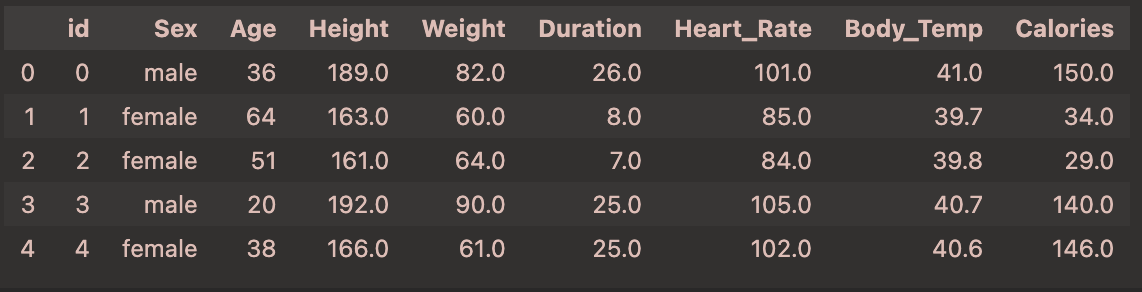
通过翻译得到每个特征的意思:
- Sex: 性别,1表示男性,0表示女性
- Age: 年龄
- Height: 身高,单位为厘米
- Weight: 体重,单位为千克
- Duration: 活动持续时间,单位为分钟
- Heart_Rate: 心率,每分钟的心跳次数
- Body_Temp: 体温,单位为摄氏度
- Calories: 卡路里,这是我们要预测的目标变量
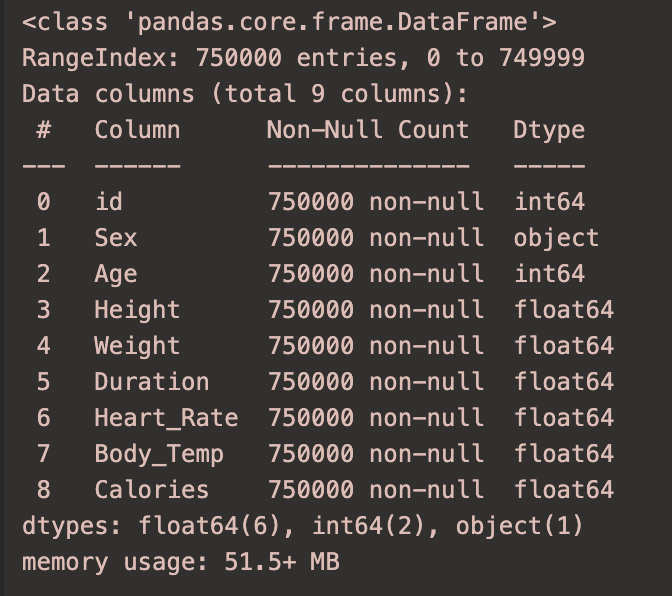
我们首先检查数据集中是否存在缺失值
1 | df.drop(columns=['id'], inplace=True) |
1 | df.isnull().sum() |
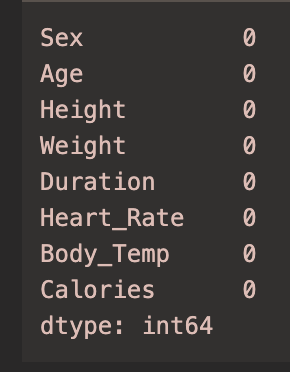
可以看到 没有缺失值
由于我们要预测卡路里的消耗量 因此我们自然想到BMI这个指标与人体有关 因此添加BMI这个特征
1 | df['BMI'] = df['Weight'] / (df['Height'] / 100) ** 2 |
特征编码
将性别转换为数值型
1 | df['Sex'] = df['Sex'].replace({'male': 1, 'female': 0}) |
EDA
1 | for col in df.columns: |
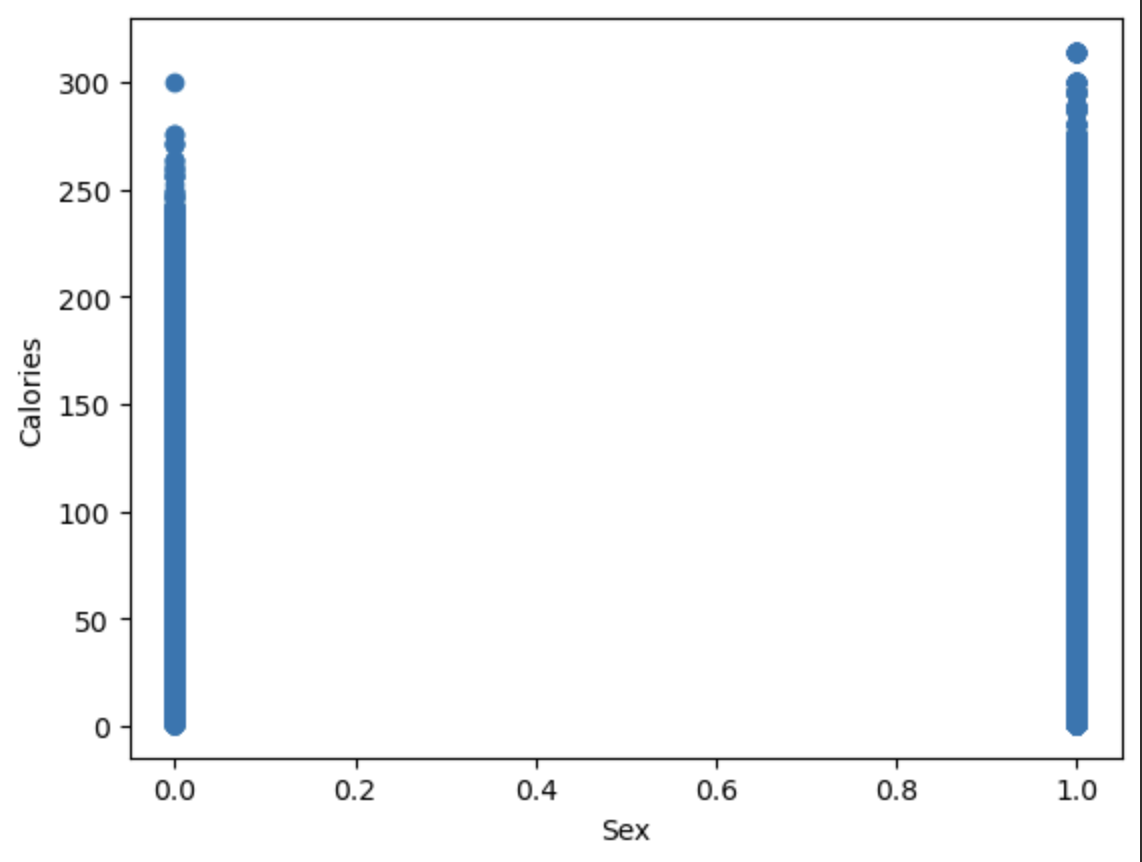
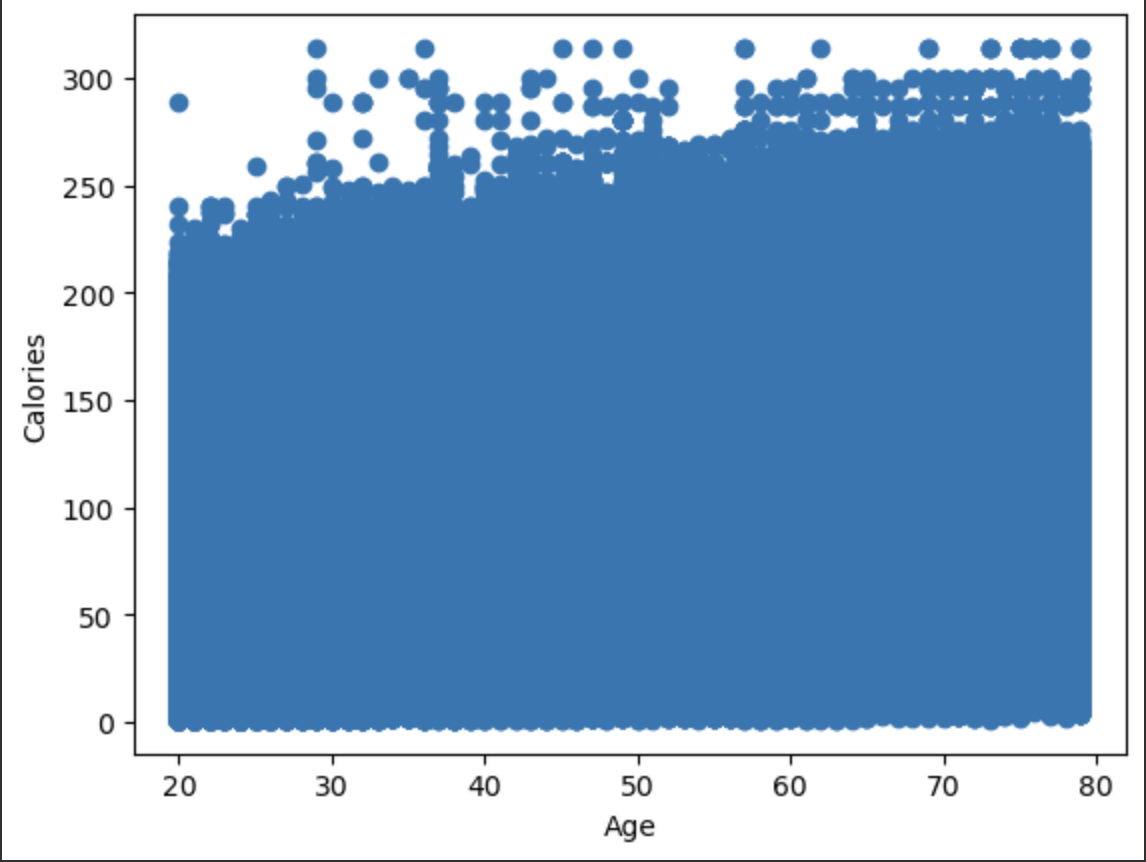
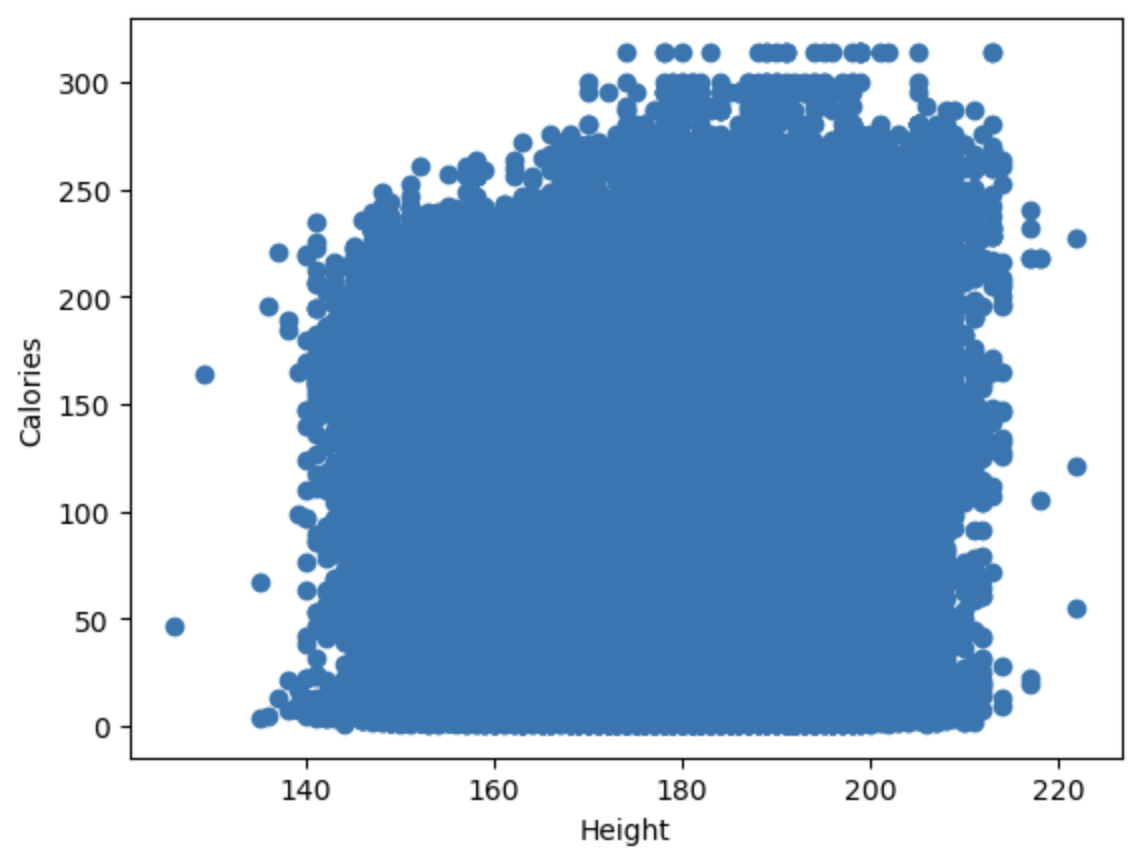
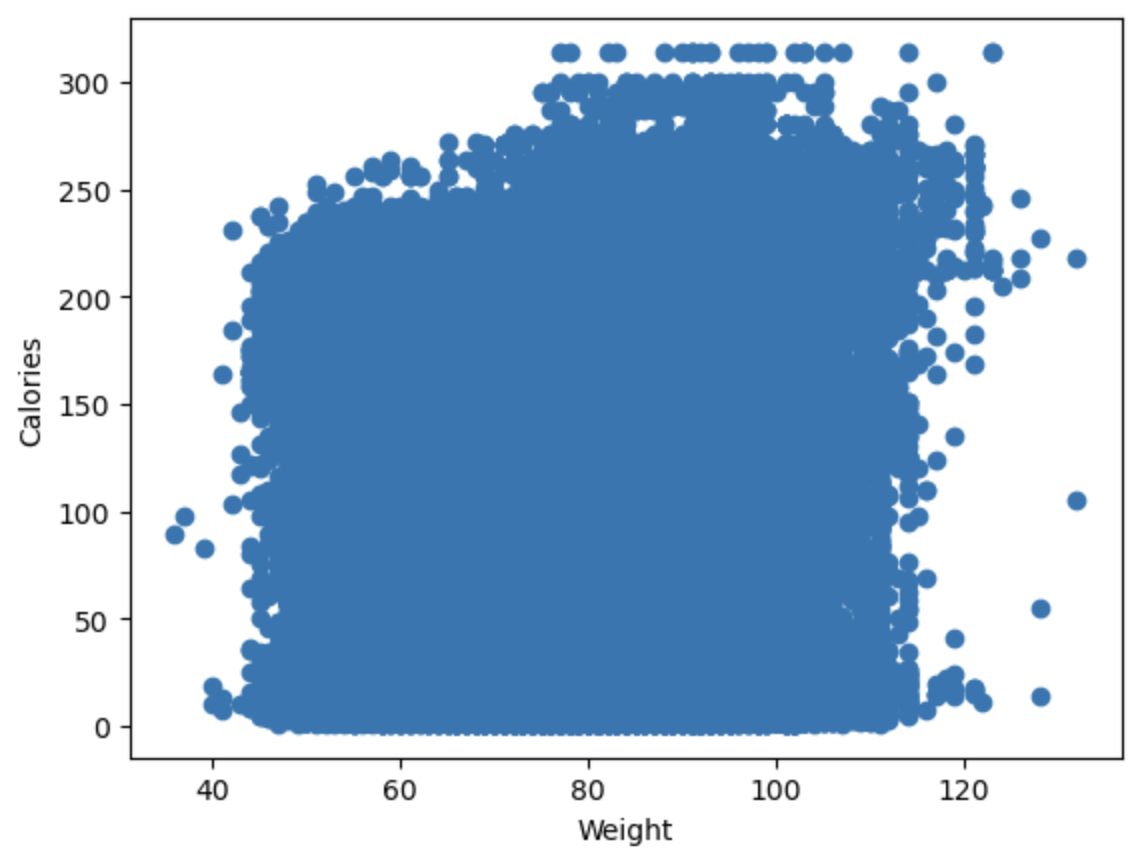
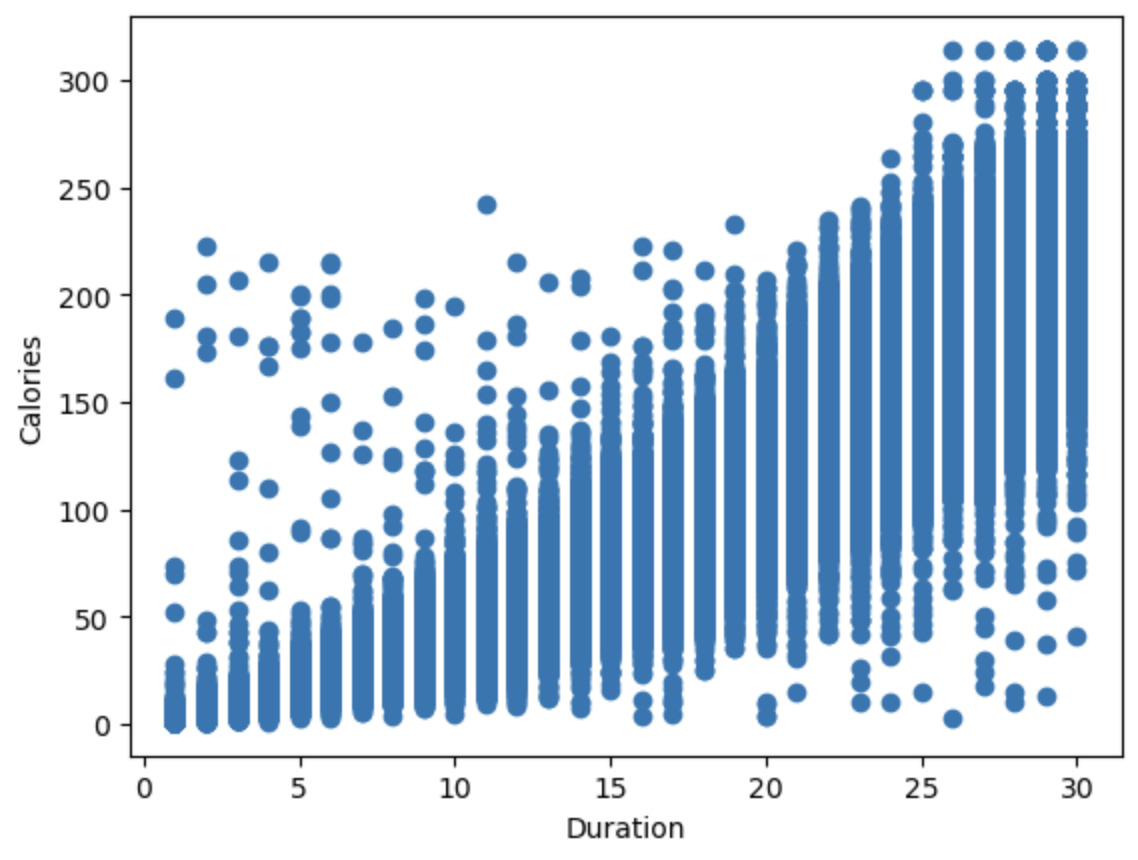
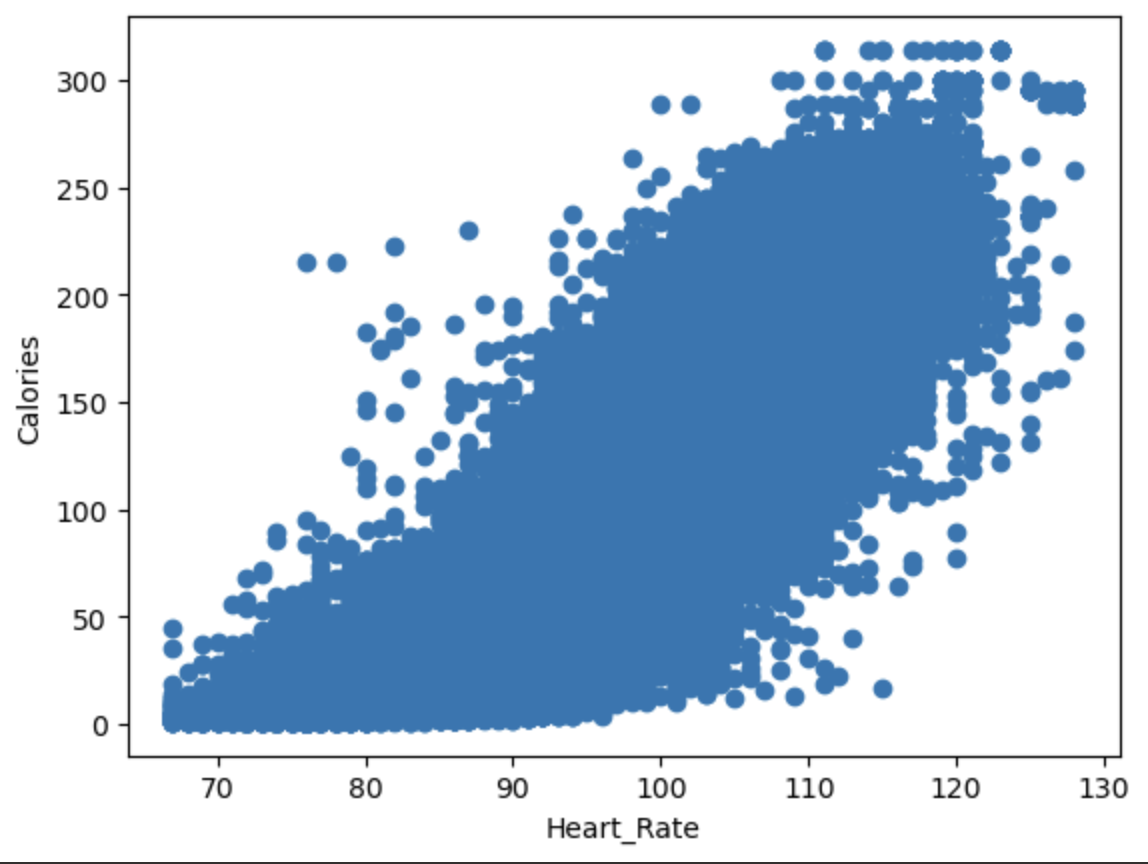
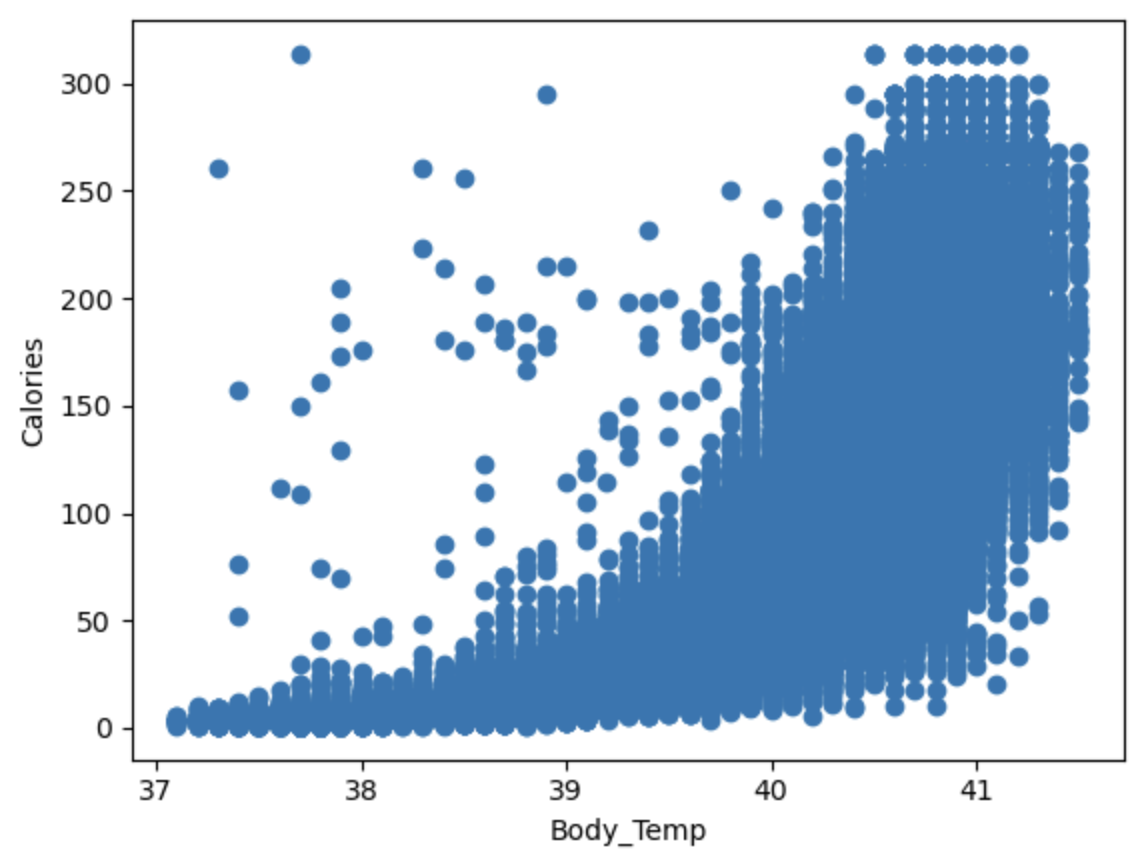
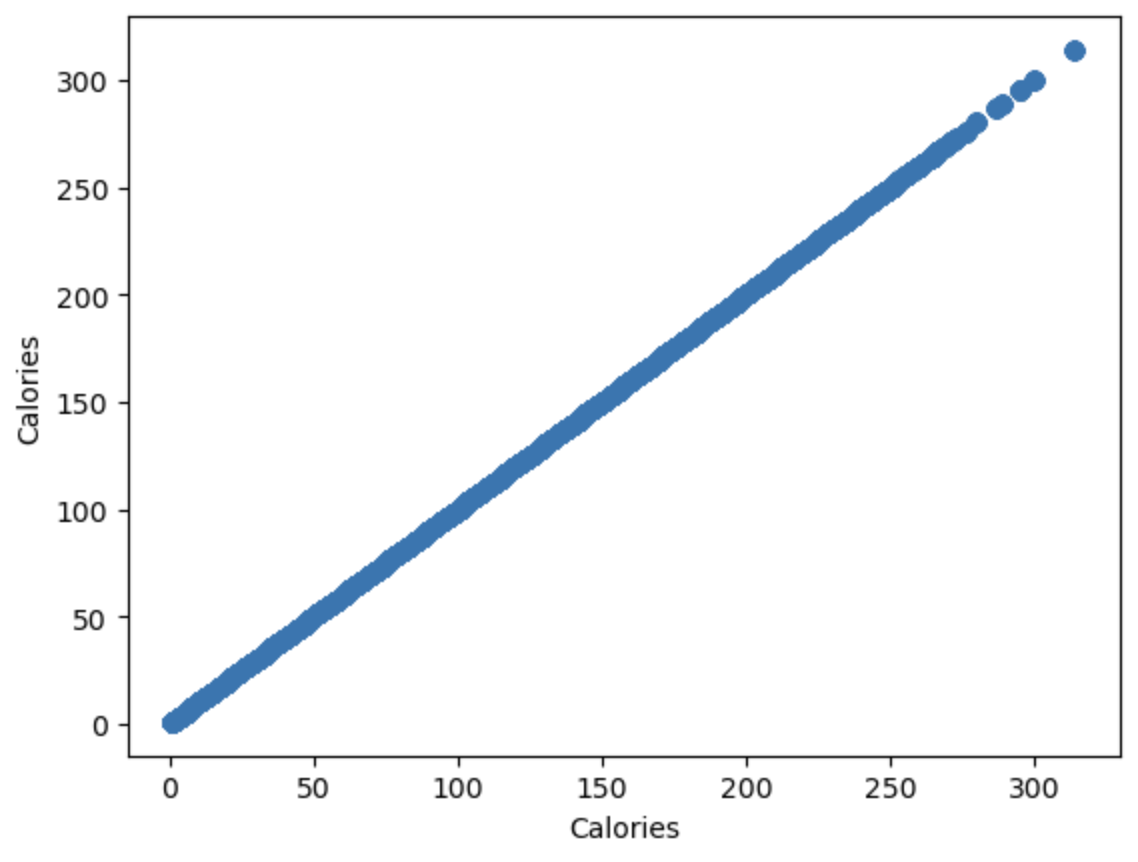
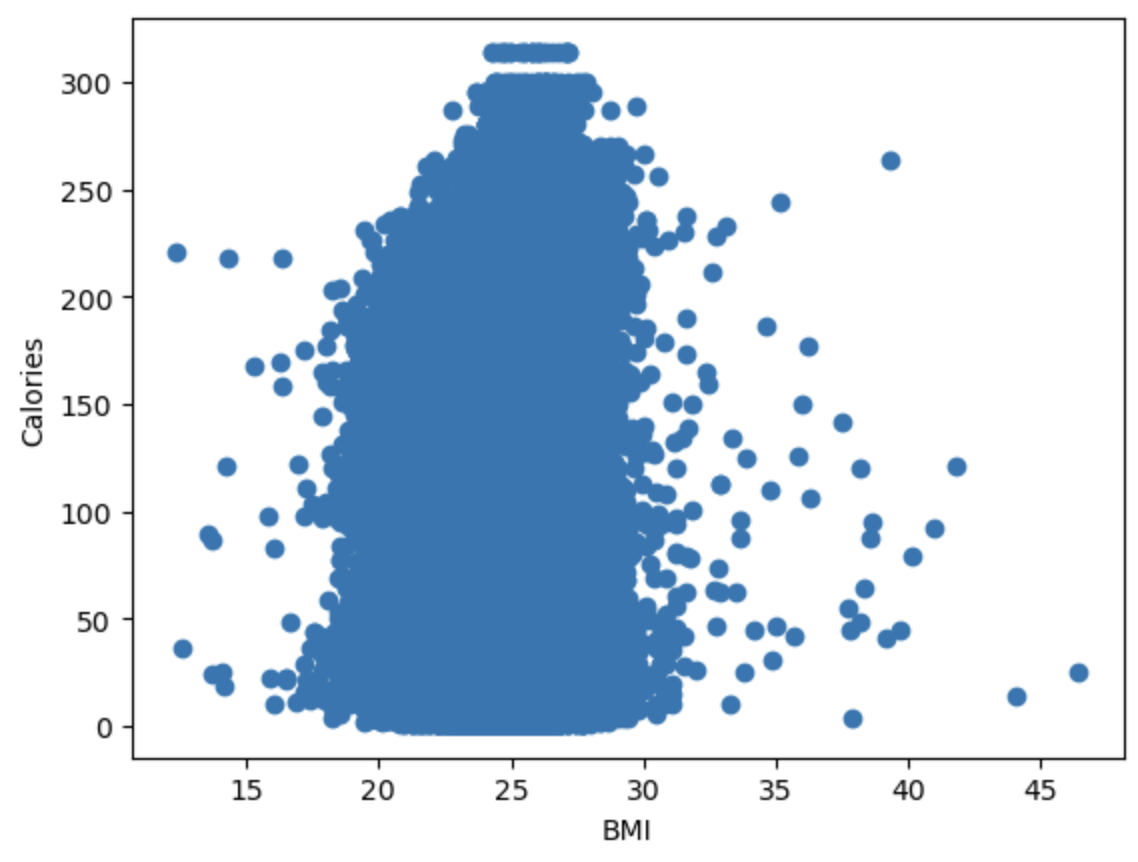
可以看到 duration、Heart_Rate、Body_Temp与Calories呈线性关系
接下来我们查看特征与特征之间的相关性。
1 | sns.countplot(x=pd.cut(df['Weight'], bins=20, labels=False), data=df,hue='Sex') |
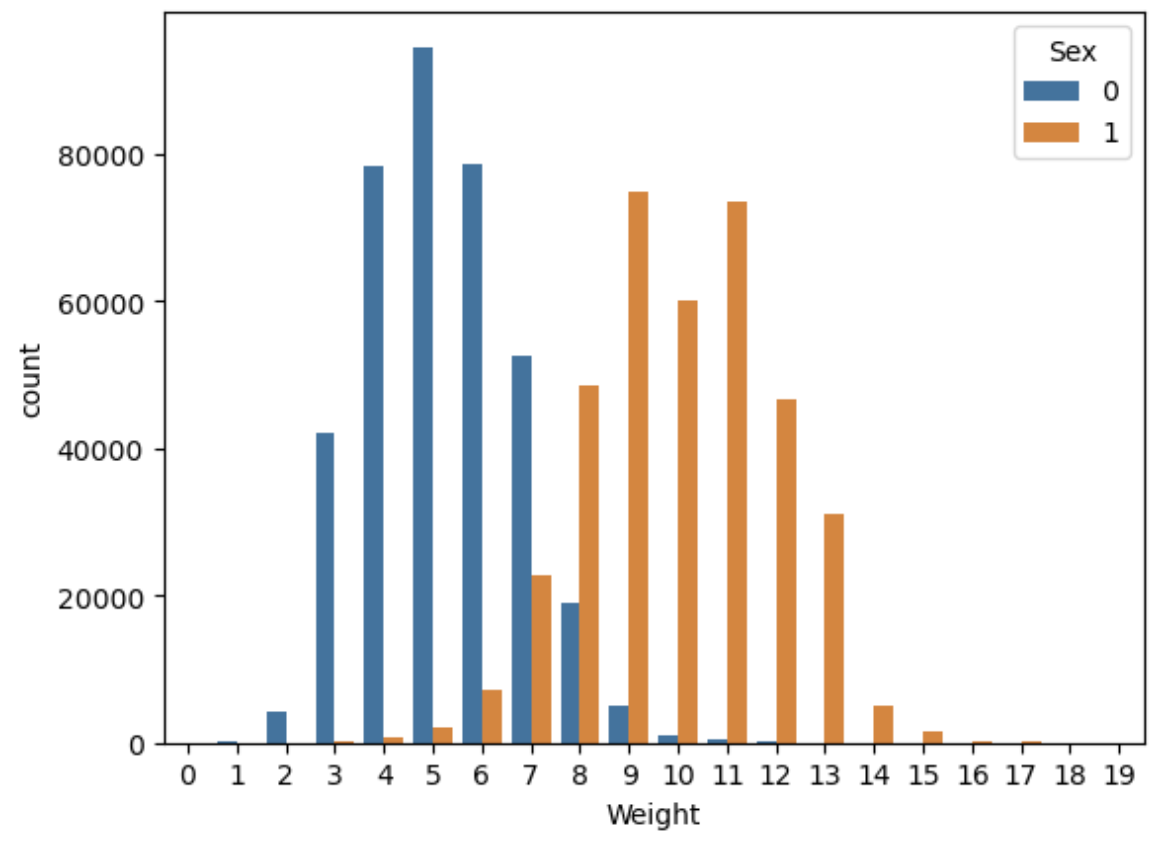
可以看到 男性的体重分布是偏右的,而女性的体重分布是偏左的
1 | sns.lineplot(x='Height',y='Weight',data=df) |
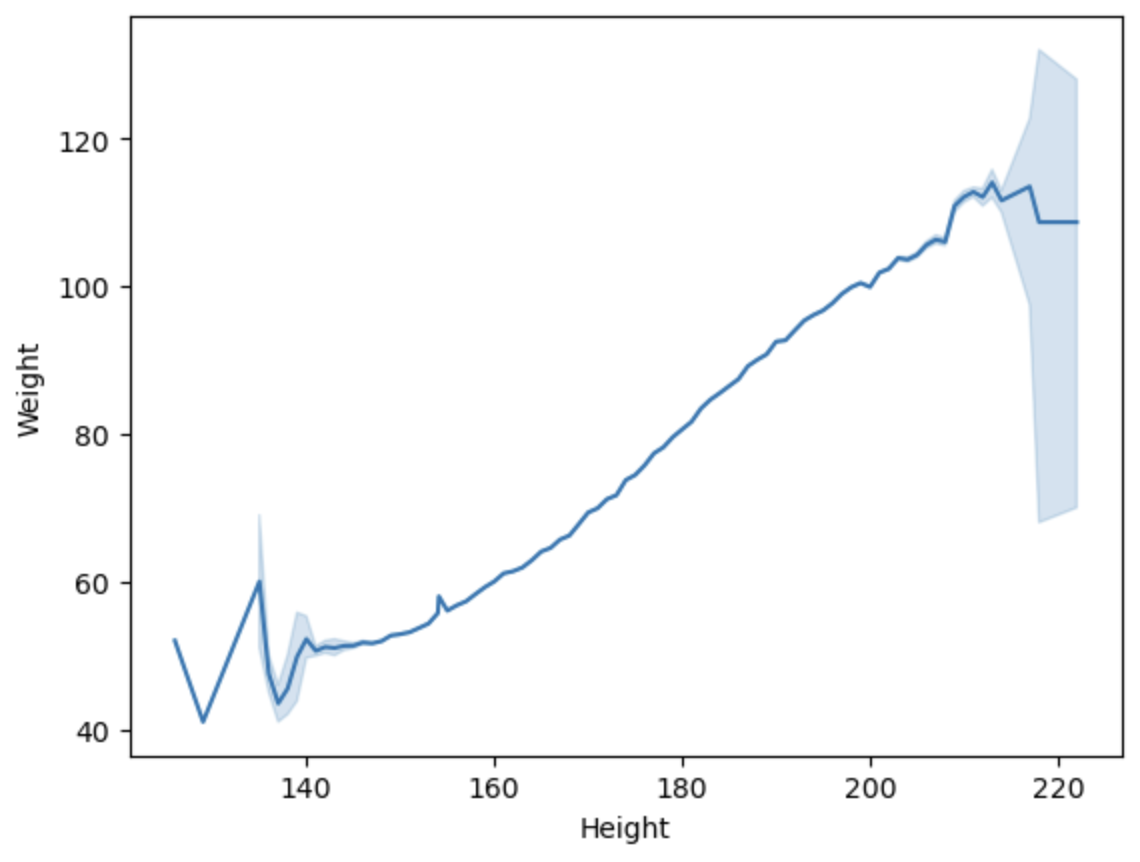
可以看到 Weight与Height存在正相关
1 | sns.lineplot(x='Duration',y='Heart_Rate',data=df) |
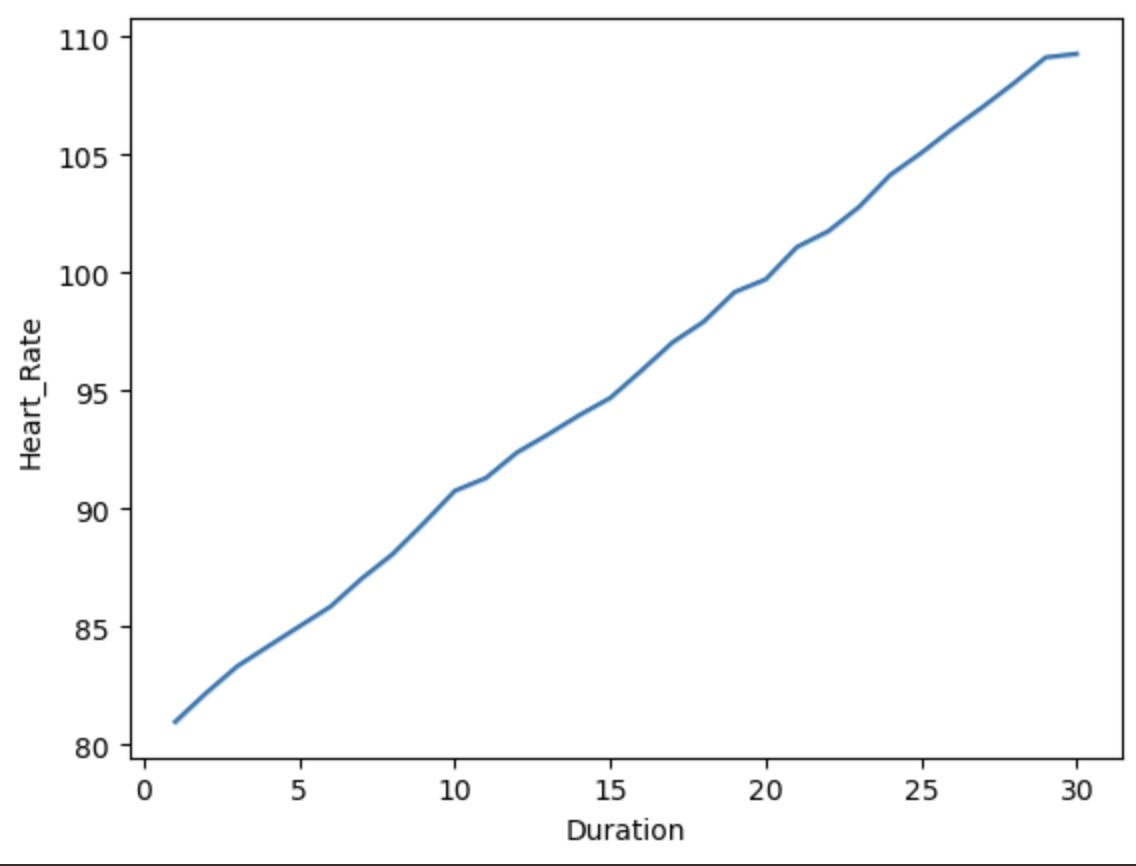
1 | sns.lineplot(x='Duration',y='Body_Temp',data=df) |
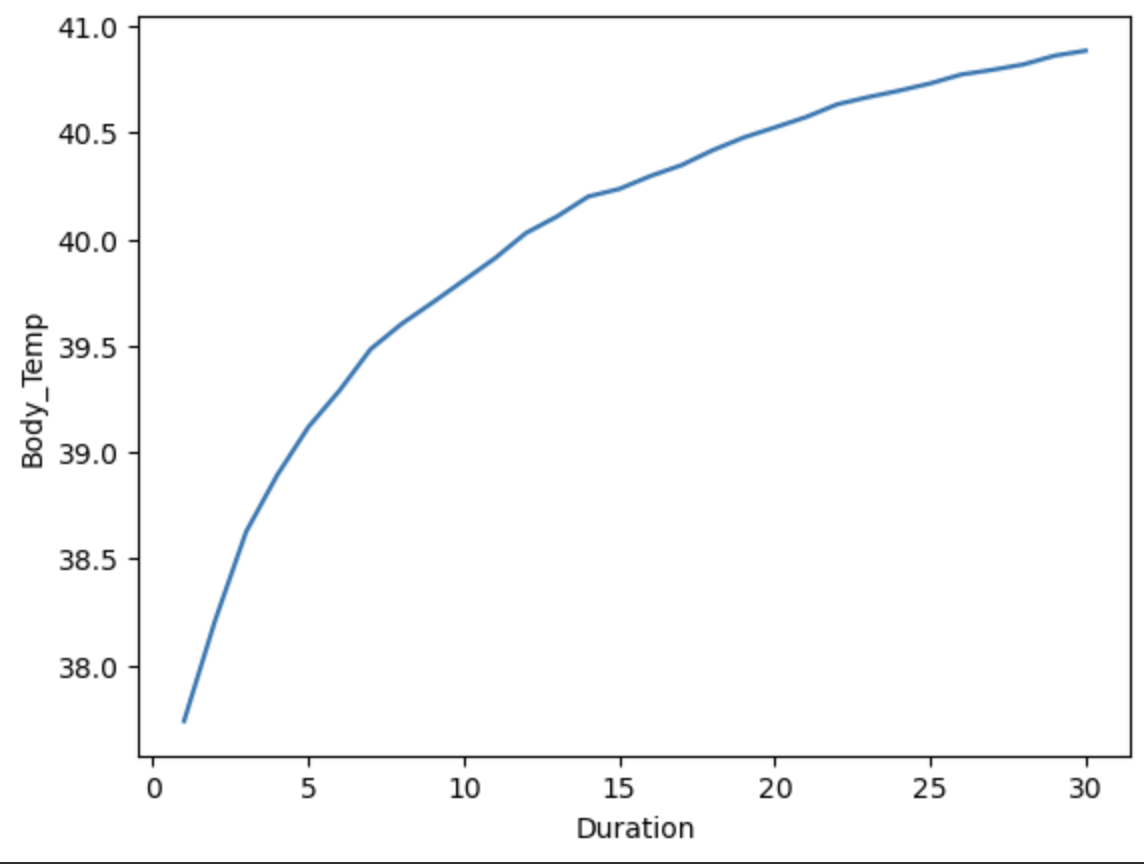
1 | sns.lineplot(x='Heart_Rate',y='Body_Temp',data=df) |
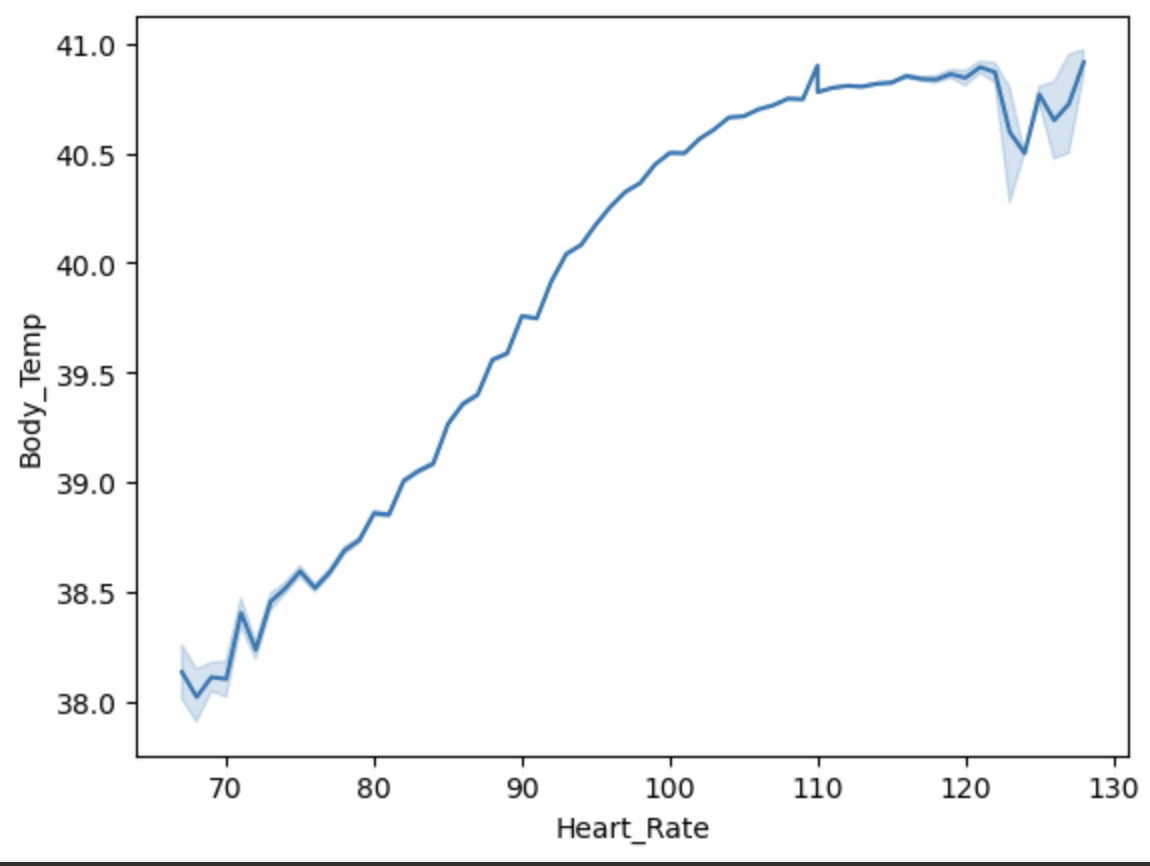
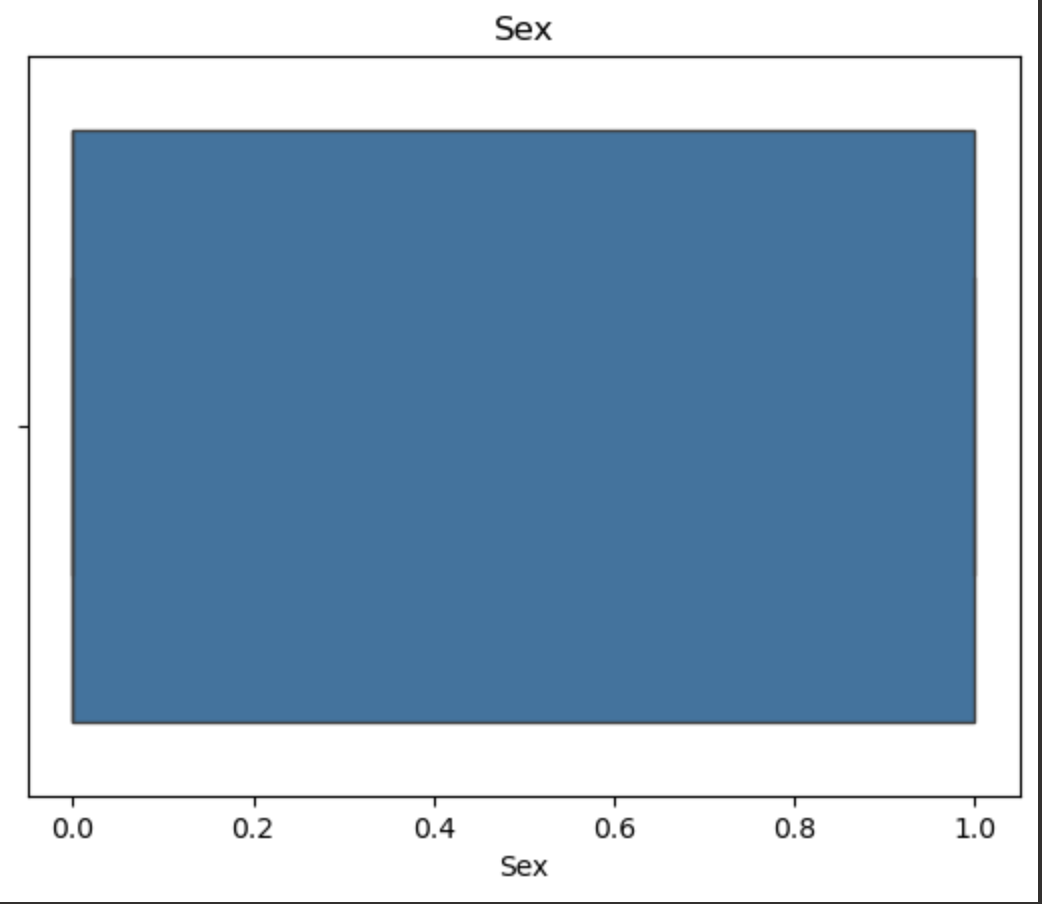
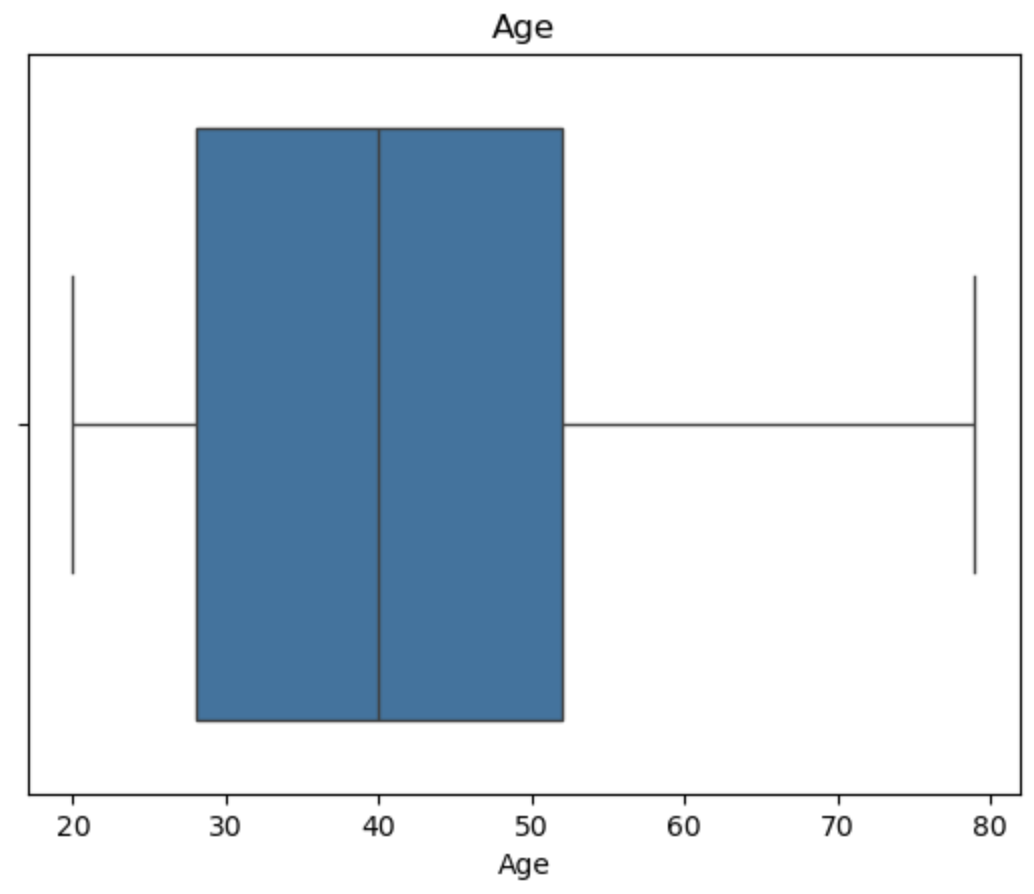
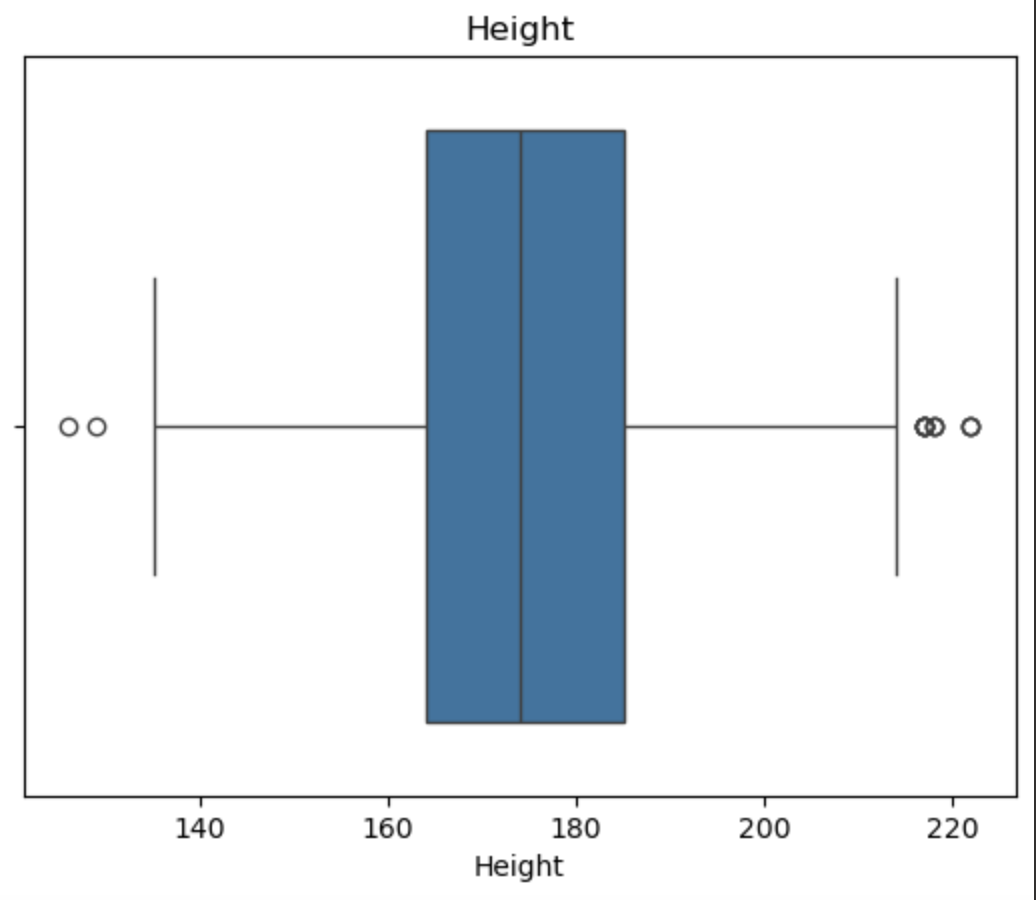
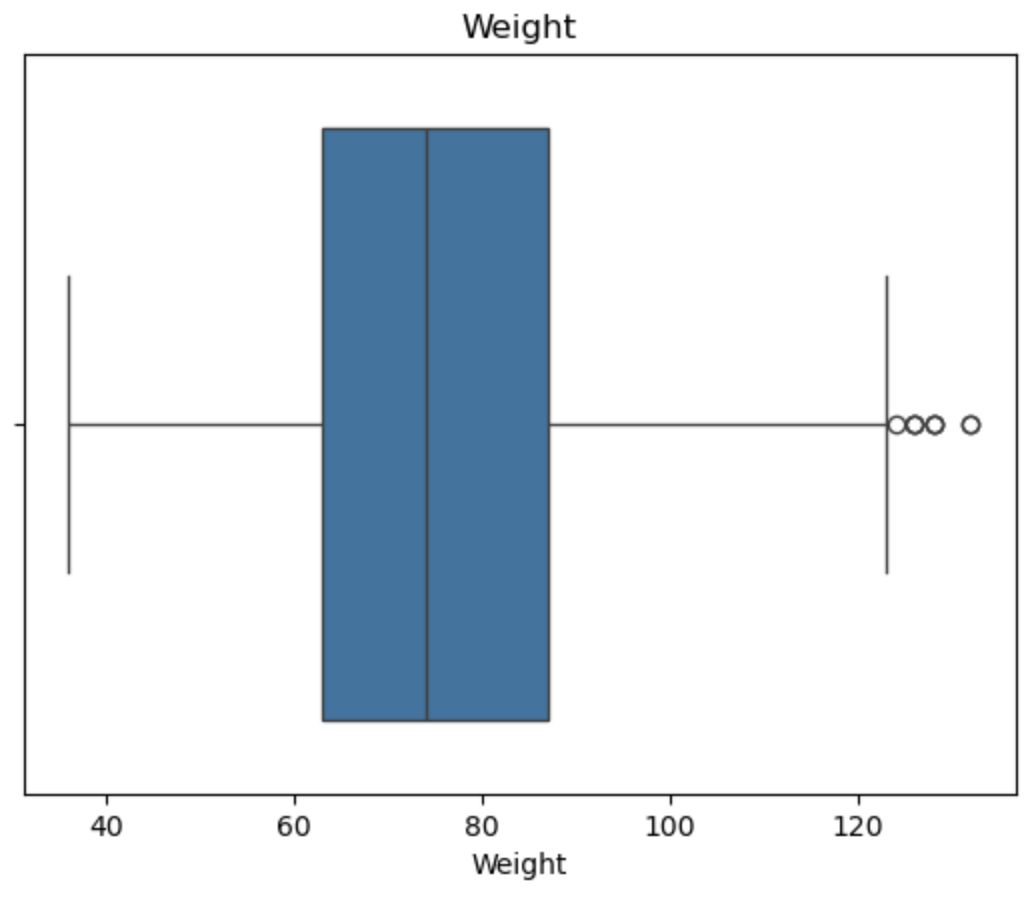
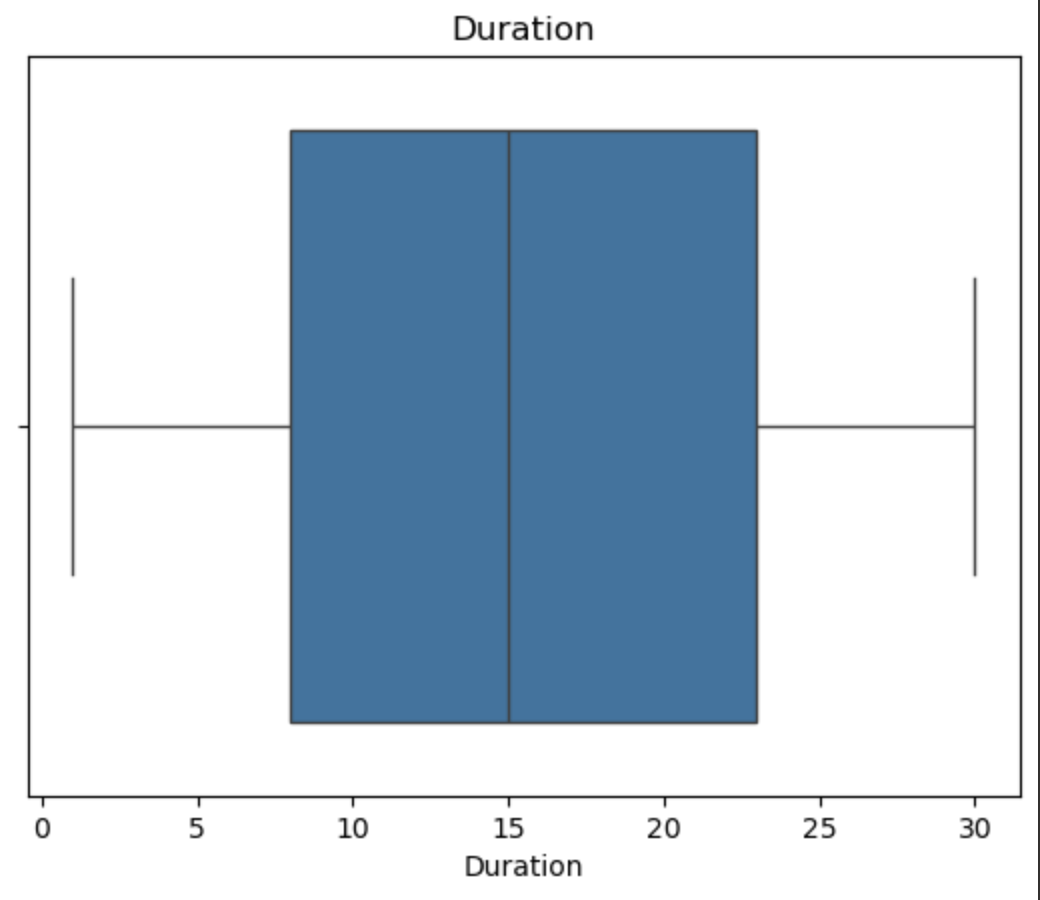
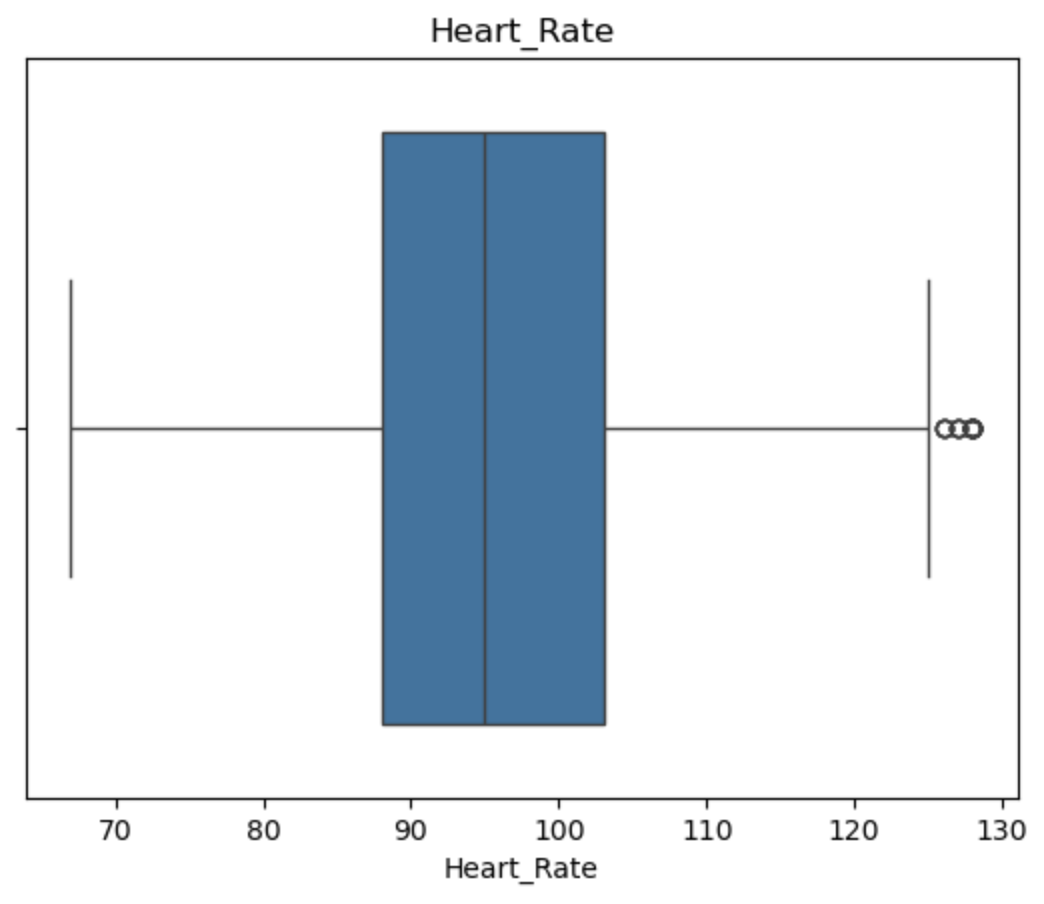
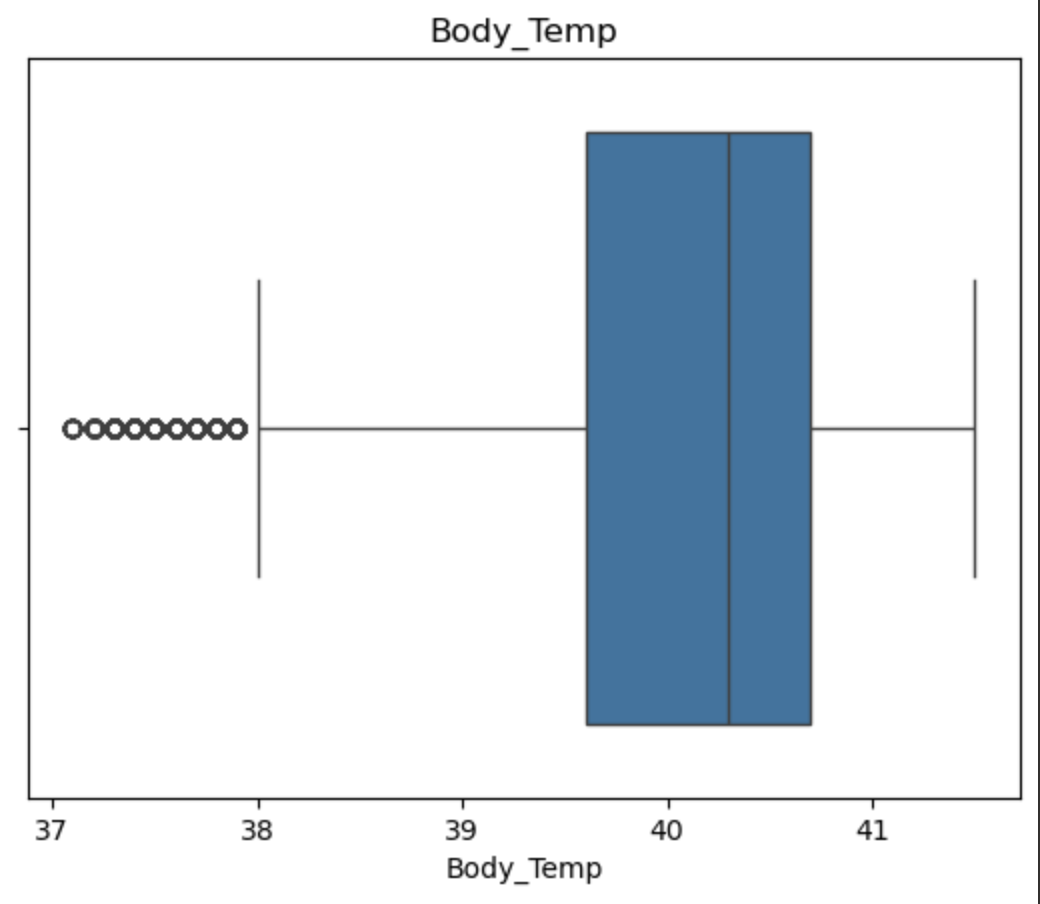
异常值可视化检测
1 | for col in df.columns: |
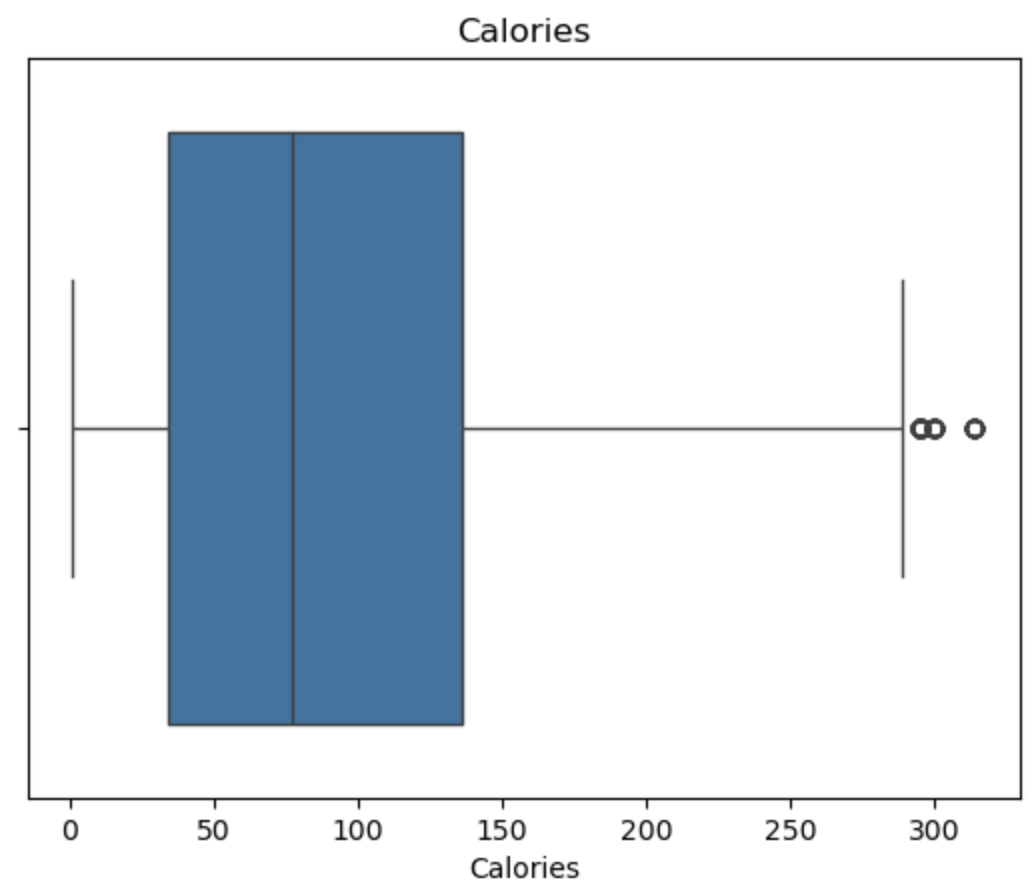
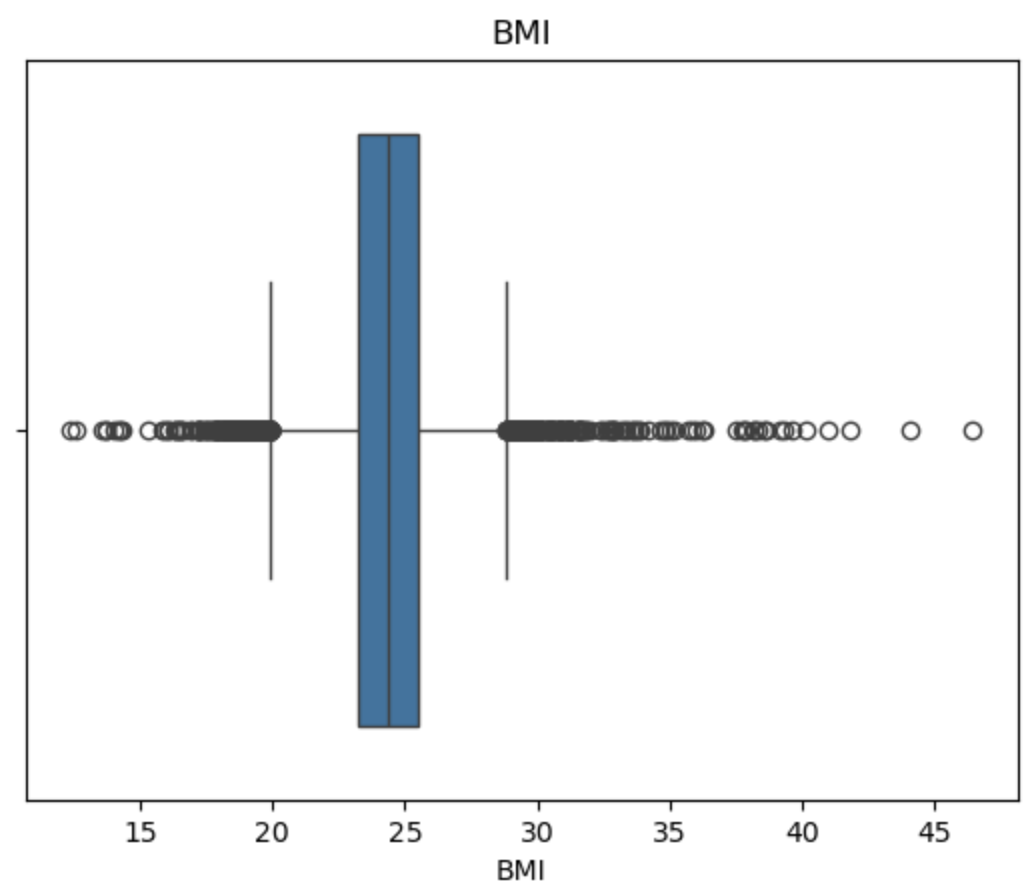
1 | from scipy.stats import mstats |
特征选择
1 | df.corr() |
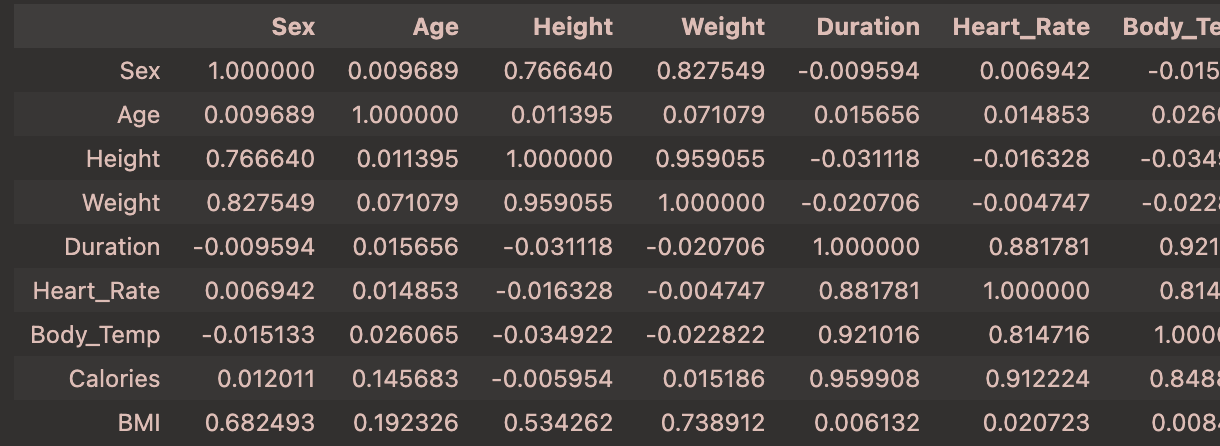
可以看到在相关性分析中
Calories与Duration、Heart_Rate、Body_Temp的相关性最高
为0.959908、0.908748、0.828671,因此选择这三个特征作为模型的输入特征
接下来 我们通过卡方检验来选择特征
1 | y = df['Calories'] |
1 | from sklearn.feature_selection import SelectKBest, chi2 |
选择后的特征形状: (600000, 3)
每个特征的得分: [8.72102007e+03 2.13858892e+05 1.32375353e+04 4.71694088e+04
2.61568982e+06 4.35154289e+05 6.94410801e+03 1.65968833e+03]
是否被选择: [False True False False True True False False]
卡方检验得分最高的特征:
Duration 2.615690e+06
Heart_Rate 4.351543e+05
Age 2.138589e+05
Weight 4.716941e+04
Height 1.323754e+04
Sex 8.721020e+03
Body_Temp 6.944108e+03
BMI 1.659688e+03
dtype: float64
1 | df.drop(columns=['BMI', 'Sex', 'Weight', 'Height'], inplace=True) |
数据划分
1 | y = df['Calories'] |
模型选择
1 | from sklearn.linear_model import LinearRegression |
Model RMSE RMSLE R²0 Linear Regression 16.044743 0.212877 0.933576
1 Random Forest 7.287551 0.102109 0.986297
2 XGBoost 6.839083 0.096267 0.987931
3 Gradient Boosting 7.001537 0.097709 0.987351
- Title: Predict Calorie Expenditure
- Author: 姜智浩
- Created at : 2025-05-09 11:45:14
- Updated at : 2025-05-18 13:17:06
- Link: https://super-213.github.io/zhihaojiang.github.io/2025/05/09/20250509Predict Calorie Expenditure/
- License: This work is licensed under CC BY-NC-SA 4.0.